
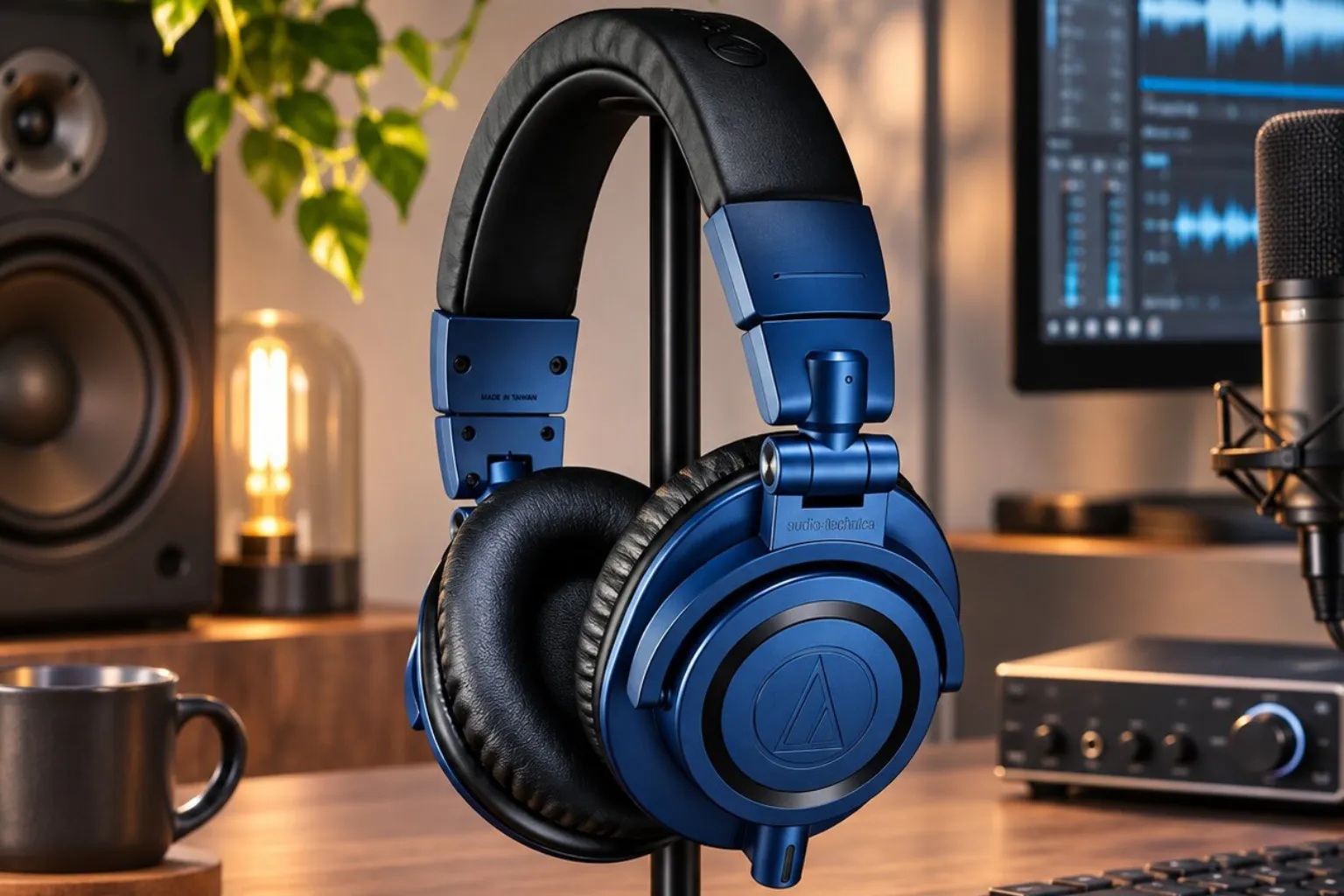
Wireless vs. Wired Headphones: Which Should You Choose for High-Quality Music Listening?

The quality of your music listening experience largely depends on choosing the right headphones. Today, the market offers both wireless and wired models, which differ in sound transmission quality, comfort, technical features, and intended use.
If you are looking for high-quality sound, understanding the advantages and characteristics of both options will help you make the right choice.
1. Wired Headphones: Greater Control Over Sound
Wired headphones remain one of the preferred choices among musicians, sound engineers, and audiophiles. They transmit audio directly through a cable connection without relying on Bluetooth.
Their main advantages include:
- Stable audio transmission.
- Minimal audio latency.
- No battery charging required.
- Ideal for professional recording and mixing.
Wired headphones are particularly suitable for users who work with professional audio equipment, studio devices, and Hi-Fi systems.
2. Wireless Headphones: Freedom and Convenience
Wireless headphones have become increasingly popular thanks to their mobility and ease of use. Using Bluetooth technology, they can easily connect to smartphones, tablets, computers, and other devices.
Their main advantages include:
- No cables required.
- Greater freedom of movement.
- Active Noise Cancellation (ANC) in selected models.
- Modern control features and audio technologies.
Modern wireless models can deliver impressive sound quality thanks to advanced Bluetooth codecs and audio technologies.
3. Sound Quality: Which Option Is Better?
Choosing between wired and wireless headphones is not simply about the connection type. Other important factors include frequency response, dynamic range, sound balance, and the audio codecs used.
Wired models may offer an advantage when listening to high-resolution audio files because they are not limited by Bluetooth transmission capabilities. However, high-end wireless headphones can also provide an impressive listening experience.
If you want to create a complete audio environment, it is also worth exploring home audio systems, speakers, and compatible sound equipment.
4. How Do Headphones Work with Other Audio Equipment?
When it comes to high-quality music listening, choosing the right headphones is only one part of the equation. The compatibility of your entire audio system is equally important.
For example, CD players and home audio players can become essential components of a high-quality music playback system.
Audio processors, meanwhile, allow users to process and control audio signals depending on their specific requirements.
If you prefer listening to music at home, consider modern home audio solutions that include speakers, amplifiers, and Hi-Fi systems.
5. What Should You Consider When Choosing Headphones?
To make the right choice, consider several important factors:
- Sound Quality: Pay attention to frequency response and sound balance.
- Comfort: Weight, ear cushion materials, and design are important for extended listening sessions.
- Connectivity: Decide whether you prefer Bluetooth or a wired connection.
- Noise Isolation: If you often work in noisy environments, consider models with noise cancellation.
- Intended Use: Listening to music, recording, mixing, and everyday use may require different headphone models.
The same principles apply when choosing other audio equipment. For example, professional studio work may also require microphones and compatible audio equipment.
Conclusion
Both wireless and wired headphones have their own advantages. If stable audio transmission and professional performance are your priorities, wired headphones may be the more suitable option. If mobility and convenience matter most, wireless headphones are an excellent choice.
Regardless of your preferences, choosing equipment from a reliable manufacturer and considering your audio requirements are essential for enjoying high-quality music.
Explore a wide selection of quality headphones, speakers, and professional audio equipment at Music Store.